
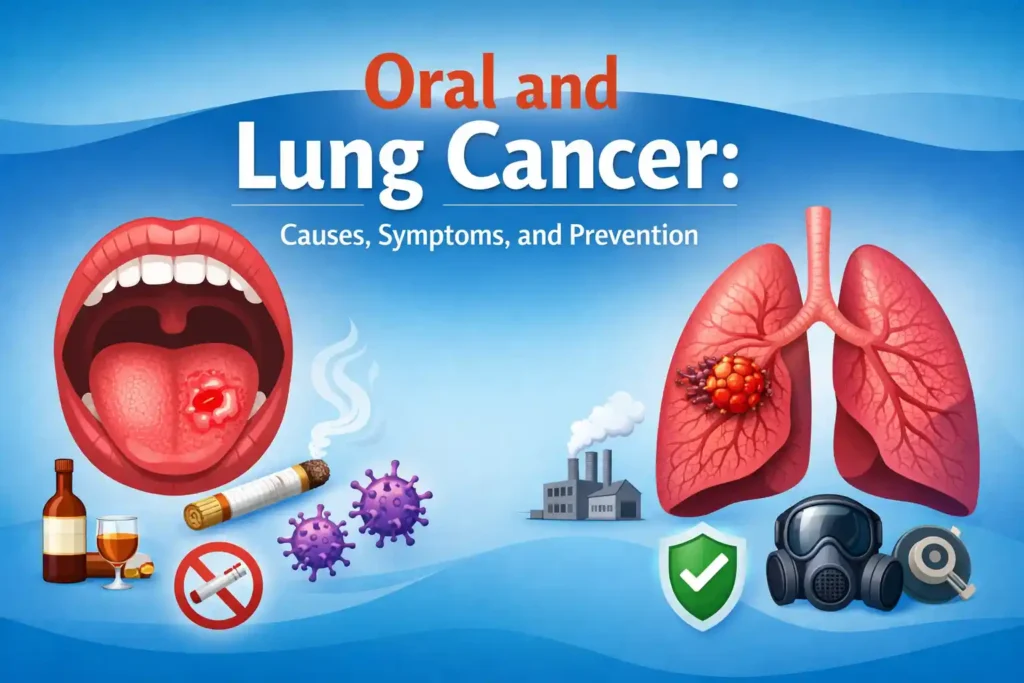

Cancer is one of the leading health challenges across the world today. Among the many types of cancer, oral cancer and lung cancer are especially serious because they affect vital organs needed for breathing, eating, and speaking. These cancers often develop silently, showing symptoms only when they reach an advanced stage. However, with the right knowledge, early detection, and preventive steps, many lives can be saved.
This article explains oral and lung cancer in simple language, covering their causes, symptoms, diagnosis, treatment options, and most importantly, how they can be prevented.
Understanding Cancer in Simple Terms
Cancer occurs when abnormal cells grow uncontrollably and spread to other parts of the body. Normally, cells grow, divide, and die in an orderly way. When this process is disrupted, damaged cells keep multiplying instead of dying. Over time, these cells form a tumor or affect organs such as the lungs or mouth.
Both oral and lung cancer are strongly linked to lifestyle habits, especially tobacco use, but they can also occur due to genetic factors, environmental exposure, and infections.
What Is Oral Cancer?
Oral cancer refers to cancer that develops in any part of the mouth. This includes:
-
Lips
-
Tongue
-
Gums
-
Inner cheeks
-
Floor of the mouth
-
Roof of the mouth
-
Throat (oropharynx)
Oral cancer is more common in people who smoke, chew tobacco, or consume alcohol regularly. However, non-smokers can also develop oral cancer due to infections like HPV (Human Papillomavirus) or poor oral hygiene.
What Is Lung Cancer?
Lung cancer begins in the lungs and affects the body’s ability to breathe properly. It is one of the most common and deadliest cancers worldwide. Lung cancer is often diagnosed late because early symptoms are mild or ignored.
There are two main types:
-
Non-Small Cell Lung Cancer (NSCLC) – the most common type
-
Small Cell Lung Cancer (SCLC) – aggressive and fast-spreading
Smoking is the leading cause, but lung cancer can also occur in non-smokers due to air pollution, secondhand smoke, and workplace exposure to harmful chemicals.
Causes of Oral and Lung Cancer
Common Causes of Oral Cancer
-
Tobacco Use
Smoking cigarettes, cigars, pipes, or using chewing tobacco significantly increases the risk. -
Alcohol Consumption
Heavy alcohol use, especially when combined with smoking, greatly raises the chances of oral cancer. -
HPV Infection
Certain strains of HPV are linked to cancers of the mouth and throat. -
Poor Oral Hygiene
Chronic irritation from broken teeth, ill-fitting dentures, or infections can increase risk. -
Sun Exposure
Excessive sunlight can cause cancer of the lips. -
Weak Immune System
People with reduced immunity are more vulnerable.
Common Causes of Lung Cancer
-
Smoking
Smoking is responsible for the majority of lung cancer cases. The longer and more frequently a person smokes, the higher the risk. -
Secondhand Smoke
Non-smokers exposed to smoke regularly are also at risk. -
Air Pollution
Long-term exposure to polluted air can damage lung tissue. -
Occupational Hazards
Exposure to asbestos, radon gas, arsenic, or chemicals in factories and mines increases risk. -
Genetic Factors
Family history can play a role. -
Previous Lung Diseases
Conditions like tuberculosis or chronic lung infections can increase vulnerability.
Symptoms of Oral Cancer
Early oral cancer may not cause pain, which is why it is often ignored. Watch out for the following symptoms:
-
A sore in the mouth that does not heal
-
Red or white patches inside the mouth
-
Persistent mouth pain
-
Difficulty chewing or swallowing
-
A lump or thickening in the cheek
-
Loose teeth without dental reason
-
Numbness in the mouth or lips
-
Changes in voice
-
Unexplained bleeding in the mouth
If these symptoms last more than two weeks, medical attention is necessary.
Symptoms of Lung Cancer
Lung cancer symptoms often appear when the disease has progressed. Common signs include:
-
Persistent cough that does not go away
-
Coughing up blood
-
Shortness of breath
-
Chest pain
-
Repeated lung infections such as pneumonia
-
Hoarseness of voice
-
Fatigue and weakness
-
Unexplained weight loss
-
Loss of appetite
Because these symptoms resemble common respiratory problems, many people delay visiting a doctor.
Importance of Early Detection
Early detection significantly improves survival rates for both oral and lung cancer. Regular health checkups and paying attention to unusual changes in the body can help identify cancer at an early stage.
Early Detection of Oral Cancer
-
Routine dental checkups
-
Self-examination of the mouth
-
Screening for high-risk individuals
Early Detection of Lung Cancer
-
Low-dose CT scans for high-risk individuals
-
Monitoring persistent respiratory symptoms
Diagnosis of Oral and Lung Cancer
Diagnosis of Oral Cancer
Doctors may use:
-
Physical examination
-
Biopsy (removal of tissue for testing)
-
Imaging tests like CT scans or MRI
-
Blood tests
Diagnosis of Lung Cancer
Diagnosis may include:
-
Chest X-ray
-
CT scan
-
PET scan
-
Bronchoscopy
-
Lung biopsy
Accurate diagnosis helps determine the stage of cancer and the most effective treatment plan.
Treatment Options for Oral Cancer
Treatment depends on the stage, size, and location of the tumor, as well as the patient’s overall health.
Common treatments include:
-
Surgery to remove cancerous tissue
-
Radiation therapy to kill cancer cells
-
Chemotherapy to stop cancer growth
-
Targeted therapy for specific cancer cells
-
Reconstructive surgery for facial restoration
For detailed information on advanced care options, you can explore Oral Cancer Treatment in India, which outlines modern treatment approaches and patient care services.
Treatment Options for Lung Cancer
Lung cancer treatment also depends on the type and stage of cancer.
Treatment methods include:
-
Surgery (for early-stage cancer)
-
Chemotherapy
-
Radiation therapy
-
Immunotherapy
-
Targeted therapy
India has become a global destination for cancer care due to its advanced medical technology and skilled specialists. For more details, visit Lung Cancer Treatment in India, which provides insights into treatment options and patient support.
Side Effects of Cancer Treatment
While cancer treatments are life-saving, they may cause side effects such as:
-
Fatigue
-
Nausea and vomiting
-
Hair loss
-
Difficulty eating or swallowing
-
Mouth sores
-
Breathing discomfort
Doctors often provide supportive care to manage these effects and improve quality of life.
Prevention of Oral and Lung Cancer
The good news is that many cases of oral and lung cancer are preventable.
How to Prevent Oral Cancer
-
Avoid tobacco in all forms
-
Limit alcohol consumption
-
Maintain good oral hygiene
-
Eat a balanced diet rich in fruits and vegetables
-
Protect lips from excessive sun exposure
-
Get regular dental checkups
-
Practice safe habits to reduce HPV risk
How to Prevent Lung Cancer
-
Quit smoking and avoid secondhand smoke
-
Reduce exposure to polluted air when possible
-
Use protective equipment in hazardous workplaces
-
Test homes for radon gas
-
Maintain a healthy lifestyle with exercise and nutrition
Living With and Beyond Cancer
Cancer does not only affect the body; it also impacts mental and emotional health. Patients may experience stress, anxiety, or depression. Emotional support from family, counseling, and support groups plays a crucial role in recovery.
Survivors often need:
-
Regular follow-ups
-
Rehabilitation therapy
-
Speech or breathing exercises
-
Nutritional guidance
-
Emotional and psychological care
With proper treatment and support, many patients go on to live healthy, meaningful lives.
Role of Awareness and Education
Public awareness is one of the strongest tools in fighting cancer. Educating people about early symptoms, risk factors, and preventive measures can lead to early diagnosis and better outcomes.
Simple steps like quitting tobacco, visiting doctors regularly, and sharing accurate health information can save lives.
Conclusion
Oral and lung cancer are serious but largely preventable diseases. Understanding their causes, recognizing early symptoms, and seeking timely medical care can make a significant difference. Lifestyle changes, regular screenings, and access to quality treatment play a crucial role in reducing cancer-related deaths.
By staying informed and proactive, individuals can protect not only themselves but also their families and communities. Early action, awareness, and prevention are the keys to fighting oral and lung cancer effectively.
https://in.enrollbusiness.com/BusinessProfile/7708636/FUDA-CANCER-HOSPITAL-Best-Cancer-Centre-Hospital-in-Mumbai-Mumbai-400069-Maharashtra/
https://www.blacklinkus.com/mumbai/health-beauty/fuda-cancer-hospital-best-cancer-centre-hospital-in-mumbai

