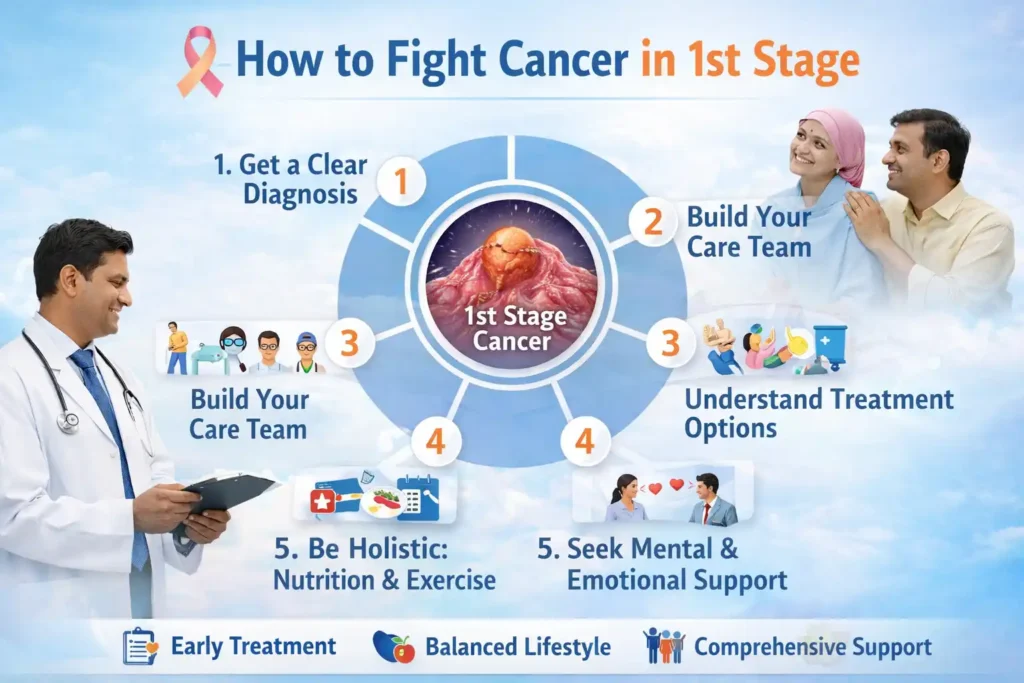

Being diagnosed with cancer—even at the first stage—is one of the most difficult moments a person or family can face. The word cancer brings fear, uncertainty, and many questions. However, the most important thing to remember is that first-stage cancer is highly treatable when addressed early with the right medical care and informed decisions.
This article explains how to fight cancer in the 1st stage by focusing on early action, medical treatment, lifestyle changes, emotional strength, and long-term follow-up. It is written to help patients and caregivers understand their options clearly and move forward with confidence.
What Is First-Stage Cancer?
First-stage cancer, also called Stage I cancer, usually means:
-
The tumor is small
-
Cancer is limited to one area
-
It has not spread to nearby lymph nodes or distant organs
Doctors identify the stage through scans, biopsies, and lab tests. Because cancer is detected early at this stage, treatment success rates are significantly higher compared to advanced stages.
Step 1: Get a Clear and Accurate Diagnosis
The first step in fighting cancer is ensuring the diagnosis is complete and accurate. This includes:
-
Imaging tests such as CT scan, MRI, or PET-CT
-
Biopsy and pathology confirmation
-
Blood tests and tumor markers
-
Molecular or genetic testing when required
A clear diagnosis helps doctors choose the most effective treatment while avoiding unnecessary procedures. Many patients also seek a second opinion to confirm their treatment plan. Resources such as Why Many Indian Cancer Patients Choose Fuda Cancer Hospital in India help patients understand how advanced cancer care is evaluated and planned.
https://www.notion.so/Why-Many-Indian-Cancer-Patients-Choose-Fuda-Cancer-Hospital-in-India-2eaea9537941803eb1f6c062c1ddada5
Step 2: Choose the Right Cancer Care Team
Cancer treatment is most effective when managed by a multidisciplinary medical team. This may include:
-
Medical oncologists
-
Surgical oncologists
-
Radiation oncologists
-
Radiologists and pathologists
-
Nutritionists and physiotherapists
-
Mental health professionals
A coordinated team ensures that treatment is planned carefully and adjusted when needed. Patients often research hospitals and specialists before making a decision. Patient discussions and expert opinions, such as those found in Best Cancer Hospital in Mumbai – Fuda Cancer Hospital, provide insight into how people evaluate cancer care options.
https://fudacancerhospitalindia.quora.com/Best-Cancer-Hospital-in-Mumbai-Fuda-Cancer-Hospital-1
Step 3: Understand Treatment Options for Stage I Cancer
The main goal of first-stage cancer treatment is to completely remove or destroy cancer cells and prevent recurrence. Depending on the type and location of cancer, treatment may include:
Surgery
Surgery is often the primary treatment for Stage I cancer. Removing the tumor early can be curative in many cases.
Radiation Therapy
Radiation may be used when surgery is not suitable or as an additional treatment to reduce recurrence risk. Modern radiation techniques are highly precise.
Chemotherapy
Chemotherapy is sometimes used after surgery to eliminate any remaining cancer cells, especially if there is a higher risk of recurrence.
Targeted or Hormone Therapy
Certain cancers respond well to therapies that block specific hormones or target cancer cell pathways.
Different treatment frameworks and modern oncology approaches are discussed in detail in clinical research and patient education platforms such as this reference:
https://hackmd.io/@0u9WSH9wRrGHtJZjCc6gHQ/B1d2t04Sbe
Step 4: Strengthen the Body Through Lifestyle Care
Medical treatment works best when supported by a healthy body. Patients should focus on:
Nutrition
A balanced diet helps maintain strength and supports recovery. This includes:
-
Fresh fruits and vegetables
-
Whole grains
-
Lean protein sources
-
Adequate hydration
A cancer nutritionist can help manage appetite changes or treatment side effects.
Physical Activity
Light physical activity such as walking or stretching can:
-
Reduce fatigue
-
Improve mood
-
Maintain muscle strength
Always follow medical advice before starting exercise.
Step 5: Take Care of Mental and Emotional Health
Emotional well-being is a critical part of cancer treatment. Fear, anxiety, and stress can affect recovery. Support options include:
-
Counseling or psychotherapy
-
Cancer support groups
-
Family and caregiver involvement
-
Relaxation techniques such as meditation
Patients who feel emotionally supported often cope better with treatment and recovery.
Step 6: Stay Educated and Involved in Decisions
Patients should actively participate in their treatment planning. Important questions to ask include:
-
What are the benefits of this treatment?
-
What side effects should I expect?
-
Are there alternative options?
-
What is the long-term follow-up plan?
Educational articles such as A New Path of Hope for Indian Cancer Patients help patients understand how modern cancer care prioritizes both survival and quality of life.
https://fuda-cancer-hospital-india-mumbai.hashnode.dev/a-new-path-of-hope-for-indian-cancer-patients-why-fuda-cancer-hospital-stands-out-globally
Step 7: Follow-Up and Long-Term Monitoring
After primary treatment, regular follow-up is essential. This may involve:
-
Routine scans and blood tests
-
Monitoring for recurrence
-
Managing long-term side effects
-
Lifestyle guidance
Consistent follow-up helps detect any changes early and ensures continued well-being.
Step 8: Build a Strong Support System
Cancer affects the entire family. Support from loved ones, caregivers, and community resources can reduce stress and improve recovery.
Many patients find strength in shared experiences and educational platforms that discuss cancer care journeys in detail, such as:
https://www.geocities.ws/fudacancerhospital/
Conclusion
Fighting cancer in the first stage is about early action, informed decisions, and comprehensive care. With accurate diagnosis, proper treatment, emotional support, and consistent follow-up, first-stage cancer can often be treated successfully.
The key is to stay informed, trust your medical team, and take care of both physical and mental health. Early-stage cancer does not define the future—it opens the door to effective treatment and a strong chance for recovery.